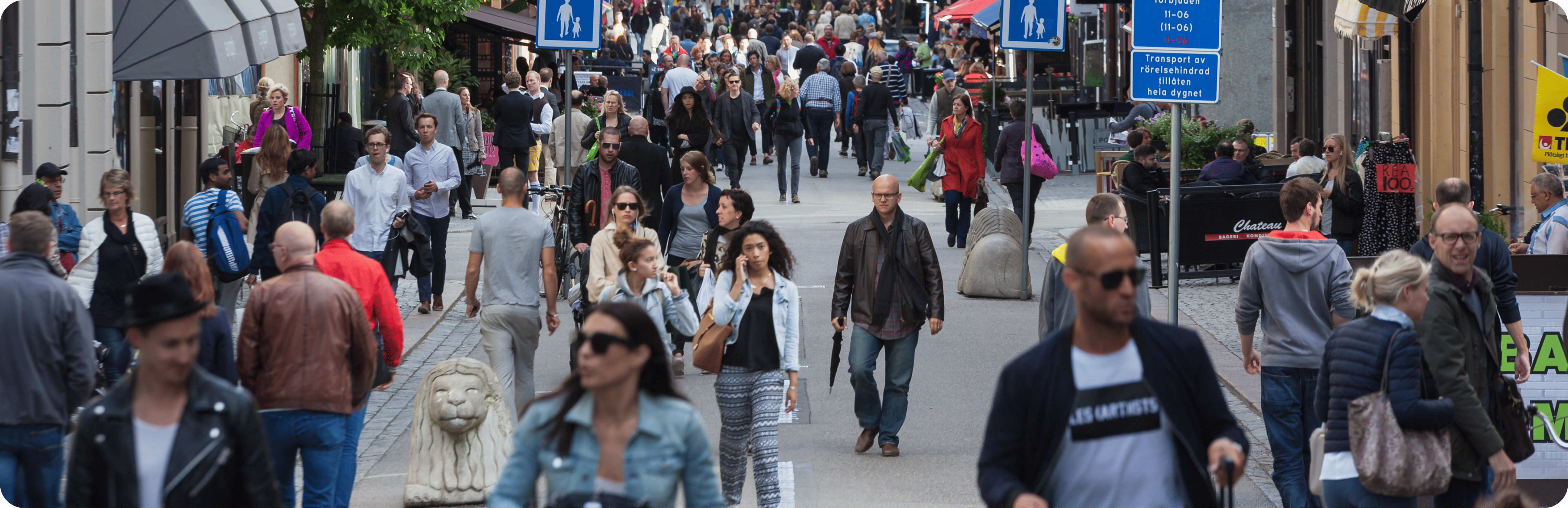
Greetings from the enchanting streets of Porto. As I reflect on my journey through Portugal, one thing has consistently captivated me: the country’s exceptional approach to urban placemaking and place management. From the bustling urban centers to the tranquil countryside, Portugal has woven together thoughtful design, creativity, and sustainability in a way that makes it a genuine haven for placemakers and urban enthusiasts alike. There is something quietly instructive happening here, and it is worth paying attention to.
Porto has figured out something that most cities are still reaching for: how to let history and contemporary life share the same street without either one feeling like a concession to the other. Walking through it, you feel the difference immediately, even if you cannot quite name it at first.
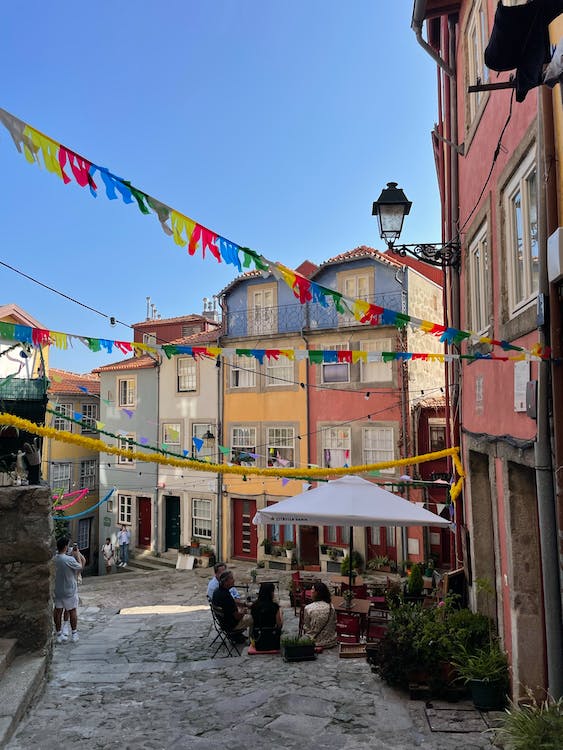
The streets carry public art that does not feel like it was placed there by a committee. Pop-up interventions appear in corners that in a US downtown would either be vacant, fenced off, or hosting a temporary parking lot. Each one extends an invitation rather than making a statement. The azulejo-tiled facades, the steep riverside alleys, the iron bridges over the Douro — none of it is roped off or turned into a backdrop for a photo wall. It is woven into daily life, and made richer by what contemporary designers have placed alongside it.
For anyone who manages a downtown district in the US, the instinct when you see this is to wonder: how? The answer is less mysterious than it seems. Porto’s placemakers have treated every surface, corner, and threshold as a decision — not a gap to fill or a problem to solve, but an opportunity to make someone feel welcome. Made consistently enough and across enough of the city, those decisions accumulate into something that feels like a personality. A district that has that quality does not need to announce itself. People simply feel it when they arrive.
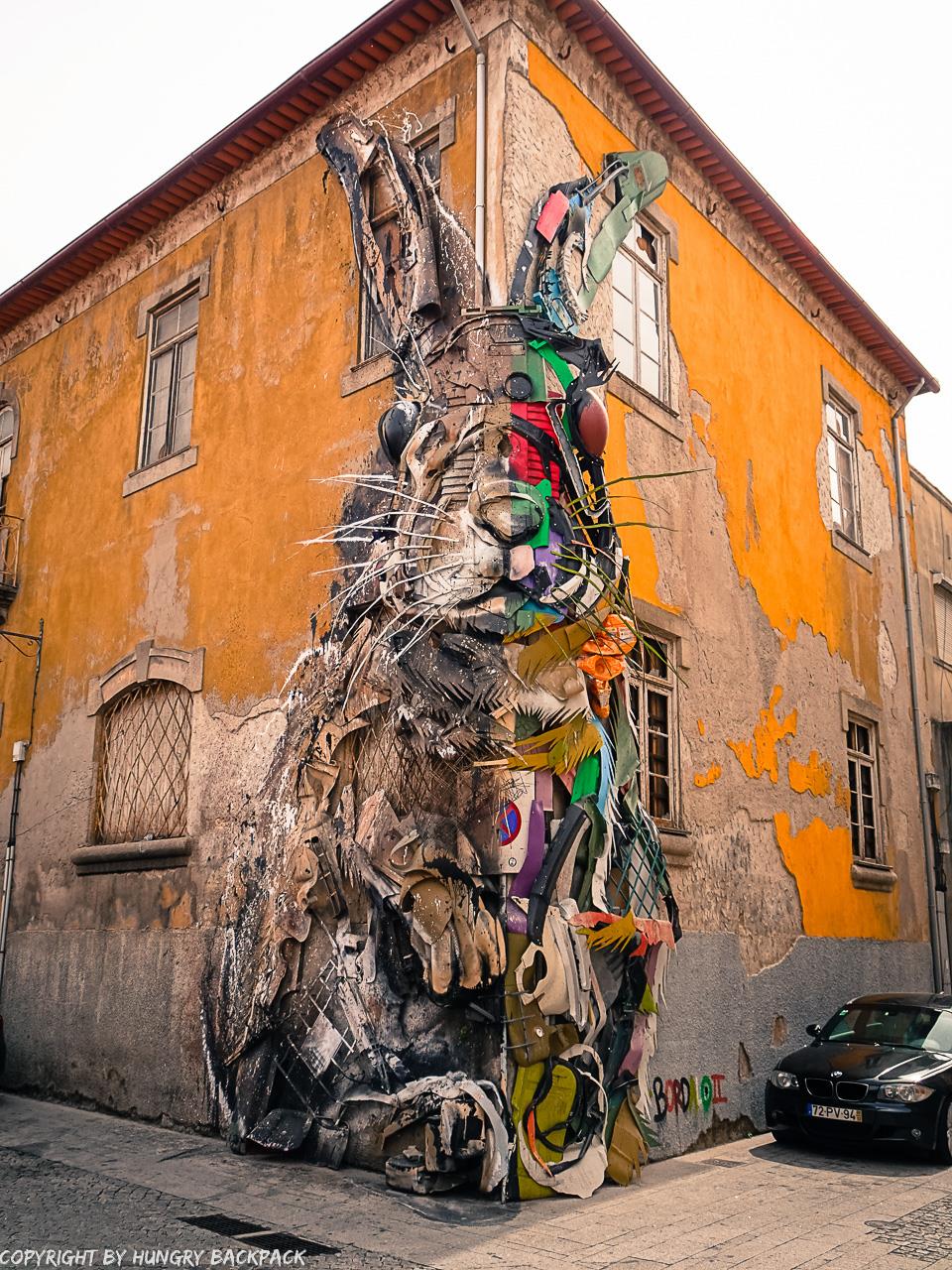
Photo Credit: Hungry Backpack
In most US downtowns, mobility is a source of frustration — for visitors, for residents, and for the teams managing the districts in between. Porto makes you realize it does not have to be. Pedestrians, metros, funiculars, buses, taxis, gondolas, and river rowboats coexist as a genuinely integrated system, and the experience of moving between them is so smooth it barely registers as a transition.
The Douro River, which in any other city planning context would be treated as a barrier to be bridged and forgotten, is treated here as a corridor. Row boats cross and trace its length. Gondolas lift people to higher ground with a kind of easy elegance. The iconic bridges carry both vehicles and foot traffic, and neither feels like an afterthought. What is remarkable is not the variety of options alone. It is the care with which every transition between modes has been designed. Moving from one to the next feels considered, not accidental.
A US placemaker walking through Porto will naturally start asking: where in our district does the experience of moving around break down, and who is responsible for that moment? It is a question most US districts have not yet formally asked. Porto has answered it, quietly and completely, at every corner of the city.
There is a particular feeling you get in a Portuguese town square that is genuinely hard to manufacture: the sense that the space was made for you, specifically, even though it was made for everyone. Portugal has a remarkable knack for transforming public spaces into vibrant community hubs, and the reason it works is that the programming and the physical design are never treated as separate problems.
The market spaces here thrive because they were designed for commerce, movement, and lingering all at once. There is one inventive beach intervention, a “pool” concept that reframes the shoreline as a shared amenity, that perfectly captures the Portuguese instinct to look at a public asset and ask: what else could this be for? Public art installations are not placed where there is leftover room. They are placed where they will generate the most encounter, the most pause, the most reason to stay a little longer.
For US downtown teams, this is the painful part of the observation. Most American public spaces are designed to be passed through. Portuguese public spaces are designed to be stayed in. The difference is not budget. It is the question the designer was asked to answer in the first place.
Photo Credit: The Creative Adventurer
Photo Credit: Moradavaga
Let that sink in. Porto has been continuously inhabited for over five centuries. Its streets are narrow, its buildings are centuries old, and its density is real. No rodent issues. For anyone who manages a downtown district and has sat through a meeting about pest control, alley conditions, or overflowing trash cans, this will sound like a miracle.
The explanation is almost anticlimactic, which is what makes it so instructive. Designated waste collection points — ecopontos — are placed on almost every corner, separating glass, paper, plastics, and general waste into clearly marked, consistently maintained containers. No trip to a central facility required. No hunting for a trash can. The system works not because it is technologically impressive but because it is everywhere, and because it is used.
This is the part where a US downtown practitioner should feel something close to envy, and then something closer to possibility. Porto did not solve this with a big investment. They solved it with density and consistency — putting the right infrastructure in the right places and then actually maintaining it. That is a formula any district can apply. The question is whether the discipline is there to follow through on it.
Photo Credit: the cook & the writer
District360 helps place management teams organize the operational data that makes deliberate decision-making possible, from public asset conditions to business records and service request patterns.
Talk through your district →The gap between a well-managed district and a poorly managed one is rarely a gap in resources. It is a gap in the number of small decisions that get made deliberately versus by default. Porto’s streets, transit, public spaces, and waste infrastructure all reflect the same underlying discipline: someone decided, and then someone followed through. Every time. That is the part most districts have not yet cracked.
We are happy to talk through it.
Talk To An Expert